BySonu
168.178.66 Router Login and WiFi Configuration Guide
Access to the 168.178.66 admin dashboard requires careful login and session verification. The guide outlines steps to verify firmware notes, apply essential protections, and update wireless credentials. It emphasizes separating 2.4 GHz and 5 GHz paths, choosing appropriate channel widths, and testing connectivity after changes. The process is methodical and documented, enabling future audits. A precise sequence awaits, with practical details that may reveal gaps or optimizations as the configuration unfolds.
How to Access the 168.178.66 Admin Dashboard
To access the 168.178.66 admin dashboard, users should open a web browser and enter the router’s IP address into the address bar. Access requires authentication credentials, with session integrity verified during a security audit.
Once logged in, review firmware notes for updates, enable essential protections, and document changes.
A disciplined approach supports freedom and reliable device control.
Change Your WiFi SSID and Password Safely
Changing the WiFi SSID and password should be done with care to ensure ongoing network security and minimal disruption. The procedure emphasizes calm, deliberate steps: access the admin interface, locate wireless settings, and update the SSID and passphrase. After saving, verify connectivity, review tcp/ip settings, and document changes. Maintain strong, unique credentials and routinely reassess access.
Optimize Wireless Settings for Speed and Coverage
A systematic approach follows the steps taken to secure the network credentials; after updating the WiFi name and password, optimizing wireless settings focuses on speed and coverage.
The process emphasizes choosing appropriate channel width, enabling beamforming where available, and separating 2.4 GHz from 5 GHz paths to reduce interference.
Network optimization and signal penetration principles guide balanced, reliable performance.
Troubleshooting Common Connection Issues on 168.178.66
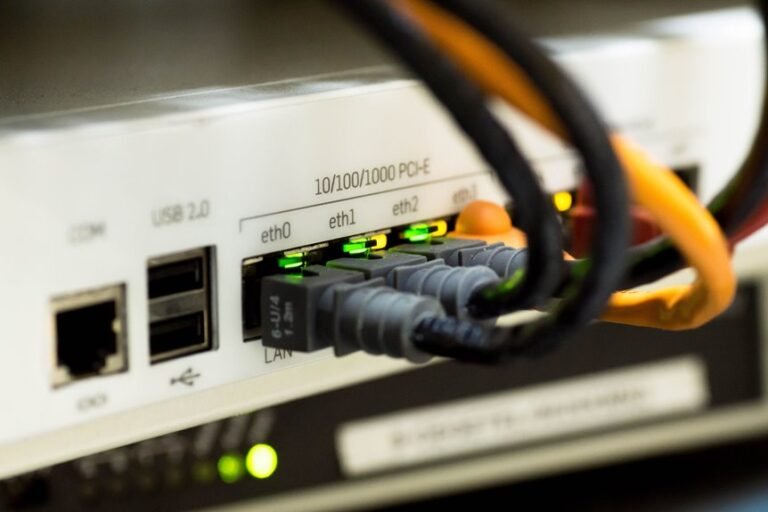
Common connection issues on 168.178.66 typically arise from misconfigurations, signal interference, or device-specific settings; a systematic approach begins with verifying the router’s status, confirming that the WAN and LAN indicators are active, and checking for consistent firmware versions across connected devices.
This connectivity troubleshooting emphasizes measured steps, while firmware updates and prudent rebooting resolve stubborn problems, preserving user autonomy.
Frequently Asked Questions
Can I Reset the Router to Factory Defaults Remotely?
The answer: Remote reset to factory defaults is not possible via remote access. Reset procedure requires physical access to the router. If permitted, users can perform a manual reset, restoring settings but sacrificing configured network details and customizations.
How to Update the Router’s Firmware Manually?
Like a careful clockmaker, the process for updating firmware manually exists; it involves downloading the correct file, accessing the router’s interface, and applying the update, though manual installation difficulties may arise and require patience and precise steps.
Is It Possible to Enable Guest Wifi Access?
Yes, it is possible to enable a guest network, with guest isolation protecting main users. The configuration involves creating a separate SSID, restricting access to LAN resources, and ensuring traffic separation for enhanced freedom and security.
How to Back up and Restore Router Settings?
“Actions speak louder than words.” The guide describes how to backup settings, restore preferences, perform firmware updates, execute remote reset, configure guest network, and enable parental controls with clear, precise, methodical steps for freedom-minded users.
What Parental Controls Are Available and How to Configure Them?
Parental controls are available, enabling content filtering, time schedules, and device blocking. To configure, access the router’s admin panel, locate Parental controls, set rules per profile, and apply; this enhances Router security while preserving user freedom to browse.
Conclusion
In the world of 168.178.66, a single login unlocks the entire galaxy of wireless wonder. A few precise clicks unleash firmware updates, ironclad protections, and a fortress of SSIDs and passphrases that could shield a thousand devices. Channel widths widen like dawn, beamforming shoots through interference, and the once-disjoint 2.4 and 5 GHz paths fuse into a single, flawless stream. The audit ends with an ultra-smooth network humming as if it could power a fleet of digital dreams.