BySonu
192168201 Router Login and Configuration Guide
The guide outlines how to access the 192.168.201 router and verify credentials with a focus on secure session initiation. It then details essential steps for initial configuration, including confirming admin rights, setting a clear SSID and strong passphrase, enabling a firewall, and planning firmware updates. It also covers QoS, parental controls if needed, and ongoing maintenance. A disciplined approach is required to ensure a resilient network, leaving the next steps open for practical application and verification.
What Is 192168201 Router and How to Access It
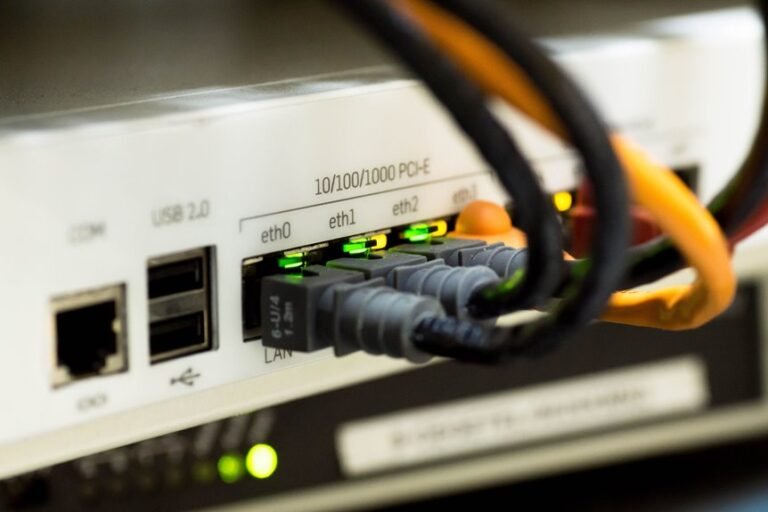
A 192.168.201 router refers to a private network device used to manage local area network traffic within a home or small office. It enables centralized control over Router IPs, security rules, and traffic prioritization. Branded models vary in features and interfaces, but basic access remains consistent. Awareness of firmware updates enhances stability, security, and future compatibility for empowered networking.
Safely Logging In: Finding the IP, Credentials, and First Steps
Safely logging in begins with locating the router’s correct IP address, followed by validating the default or updated credentials before establishing a secure session. The process emphasizes idea one for initial verification and topic two for credential robustness. A detached, methodical approach enables quick confirmation of access rights, structured navigation, and immediate initiation of configuration steps without exposing unnecessary details.
Essential Wi‑Fi and Security Setup: SSID, Password, and Firewall Basics
Essential Wi‑Fi and Security Setup requires a precise configuration of the wireless network name (SSID), a strong passphrase, and a functional firewall to protect traffic. The process emphasizes defining a clear SSID, selecting a resilient password, and enabling firewall rules to mitigate security risks. Consider bandwidth priorities, enable firmware updates, and plan for parental controls within a controlled, freedom-oriented network strategy.
Parental Controls, Firmware Updates, and Ongoing Maintenance
Parental controls, firmware updates, and ongoing maintenance form the ongoing governance framework for a home router, ensuring content filtering, device-level access policies, and up-to-date security and stability. Parental controls enable schedule- or profile-based restrictions; Firmware updates harden defenses and fix flaws; Ongoing maintenance cycles verify performance and logs. Security basics guide configuration, monitoring, and rapid response for resilient network operation.
Frequently Asked Questions
How to Reset the Router to Factory Defaults?
The reset procedure involves locating the recessed button, holding it for 10–15 seconds, and observing the indicator lights. Factory reset tips emphasize timing accuracy, power stability, and subsequent reconfiguration; this preserves core settings while restoring default behavior and performance.
Can I Change Router Mode (Ap, Client, Repeater)?
Yes, it is possible to switch modes: AP mode, Client mode, or Repeater mode; firmware updates should be applied prior to changes, ensuring stable configuration, while a freedom-seeking user analyzes network topology and selects the appropriate mode accordingly.
How Do I Map a Static IP for Devices?
Objects to be allocated receive structured addresses via a reserved static mapping table, ensuring each device maintains a constant IP. The process supports Wi Fi analytics and smart home integration, promoting reliability, determinism, and freedom from DHCP churn.
What-Supported Encryption Types Should I Use?
Encryption best practices favor AES-256 for data in transit and at rest, with TLS 1.2+ and WPA3 where applicable. Network segmentation enhances security, limiting lateral movement and isolating critical systems, while maintaining freedom for trusted subnets.
How to Back up and Restore Router Settings?
Back up router settings by exporting a configuration file, establishing a backup schedule, and storing off-device. To restore, use the reset process and re-import. Include firmware update notes, and verify after guest network activation for consistency.
Conclusion
A secure and well-managed network hinges on disciplined, repeatable steps. By clearly identifying the router, validating credentials, and applying foundational settings—SSID clarity, strong passphrases, firewall enablement, and timely firmware updates—administrators establish a dependable baseline. Regular maintenance and monitored logs sustain resilience. In this process, configuration choices function as navigational beacons: precise, consistent actions illuminate the path toward a stable, protected environment. Without vigilance, even sound architecture can drift; with discipline, stability endures.