BySonu
168.178 Router Login and Network Guide
Understanding the 168.178 router is essential for reliable home networking. This guide outlines how to identify the device, locate its IP address, and access the admin panel securely. It covers essential setup—Wi-Fi configuration, encryption, and network segmentation—followed by maintenance practices to prevent instability. The procedure is precise and repeatable, designed to reduce downtime and strengthen privacy. A careful, methodical approach will reveal where configurations may need adjustment, inviting further optimization as issues emerge.
What Is the 168.178 Router and Why It Matters
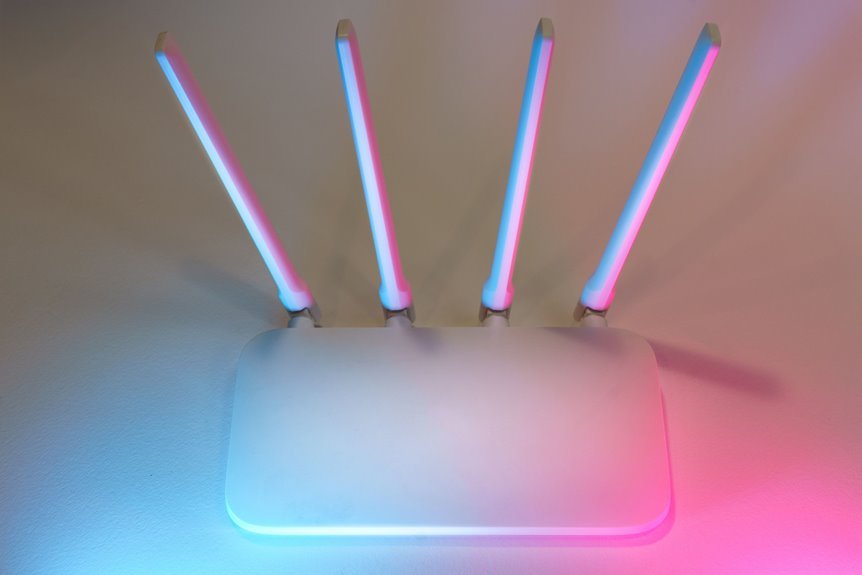
The 168.178 router refers to a class of consumer networking devices that manages local network traffic and provides connectivity to the Internet.
What is its role in home setups? It consolidates data routing and device access, enabling distributed resources and online services.
Router login procedures grant administrative access, requiring secure credentials to configure networks, security rules, and service priorities without ambiguity.
How to Find the Router’s IP Address and Access the Admin Panel
To access the router’s admin panel, determine the device’s IP address by inspecting the device’s network settings or consulting the router’s documentation, then enter that address into a web browser’s address bar.
The procedure covers how to locate gateway, access credentials; verify router branding, firmware updates, and navigate the admin interface efficiently for configuration and monitoring.
Essential Setup: Wi-Fi, Security, and Local Network Tips
Effective setup of a 168.178 router entails configuring Wi-Fi parameters, enabling essential security features, and organizing the local network for reliability.
The procedure emphasizes robust encryption, unique SSID, and strong passphrases, plus segmented access.
Regularly audit connected devices, isolate IoT traffic, and maintain a guest network to minimize exposure.
Monitor for disconnected devices and adjust permissions to sustain performance.
Troubleshooting and Maintenance: Keep Your Network Reliable
Troubleshooting and maintenance require a structured approach to preserve network reliability: identify symptoms, isolate potential causes, and apply repeatable remedies. The procedure emphasizes baseline checks, firmware update schedules, and validation tests. Systematic steps include disabling guest access when necessary, reviewing logs, and applying targeted configuration changes. Document changes, verify stability, and prepare rollback plans to maintain continuous operation and user freedom.
Frequently Asked Questions
Can I Change the Router’s Default Login Username and Password?
Yes, it is possible to change the default credentials. The procedure improves login security, often found in the administration or system settings. Afterward, enable parental controls and configure access restrictions to maintain controlled, secure network use.
How Do I Set up Guest Wi-Fi Access on This Router?
To set up guest Wi Fi access, access router admin, Set up guest network, enable separate SSID, apply password, and enforce Parental controls; Change login credentials, Update firmware regularly to maintain security and freedom.
What Parental Controls Are Available and How to Enable Them?
Parental controls include time limits, content filters, and device pause options; enable via the router’s settings, then configure profiles and schedules to maintain user privacy. This framework balances control and freedom, preserving User privacy while enforcing responsible use.
Can I Configure Port Forwarding for Gaming or Servers?
Yes, port forwarding can be configured for gaming servers. The procedure involves selecting the appropriate WAN interface, creating a dedicated TCP/UDP rule, mapping the external port range to the internal device IP, and ensuring firewall rules permit traffic.
How Do I Update the Router’s Firmware Safely?
A calm sailor steadies the ship: updating firmware is essential. To maintain router safety, verify authenticity, back up settings, connect via wired Ethernet, download from official site, and install during low usage windows, following manufacturer instructions precisely.
Conclusion
In the digital crossroads, the 168.178 router stands as a compass guiding data homeward. With precise steps to IP discovery, admin access, and fortified Wi‑Fi, the network becomes a guarded corridor rather than a maze. Proper firmware, strong encryption, and guest segmentation act as guardrails, keeping traffic clear and doors locked. When routine maintenance is performed, the system hums like a well-tuned engine, delivering reliable connectivity while preventing disturbances from creeping shadows.