BySonu
192168111 Router Login and Network Configuration Guide
Access to the 192168111 router admin page begins with a device connected to the network and the gateway address identified. The procedure requires entering the router’s IP in a browser and supplying secure credentials, avoiding default passwords. Once logged in, basic configuration covers wireless setup, security settings, and DHCP parameters to ensure stable clients. The guide continues with firmware management and troubleshooting steps, while offering a structured path to more advanced tasks that justify continued attention.
How to Access the 192168111 Router Admin Page
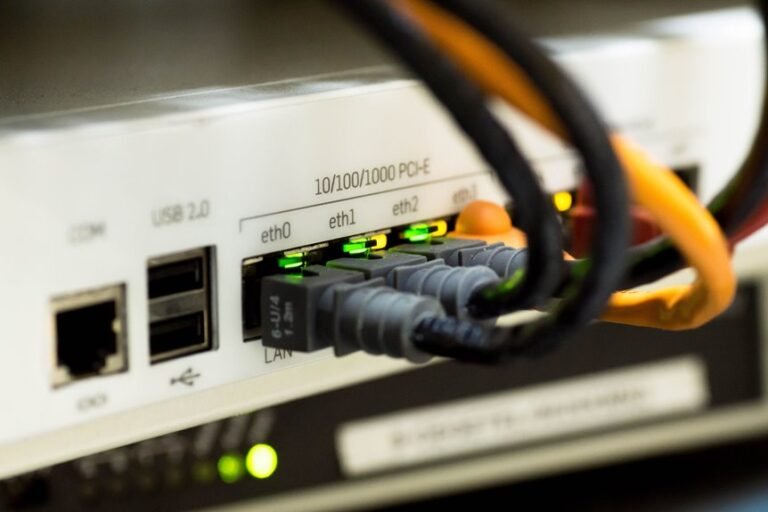
To access the 192168111 router admin page, connect a device to the router’s network via Wi‑Fi or an Ethernet cable and determine the router’s gateway address, typically 192.168.1.1 or 192.168.0.1.
The process emphasizes accessibl e admin concepts, guiding users to secure credentials and avoid default passwords, ensuring a precise, listed sequence for authorized configuration without extraneous steps.
Quick Setup: Wireless, Security, and IP Basics
With the admin page accessed, the immediate tasks focus on establishing a stable wireless setup, implementing baseline security, and configuring core IP settings.
The procedure emphasizes network segmentation for guest and device isolation, enabling parental controls, and documenting a firmware backup.
DNS customization, static or DHCP reservations, and secure WPA3–AES settings optimize reliability while preserving user freedom and control.
Firmware Updates and Common Troubleshooting Steps
Firmware updates ensure the router operates with current security patches and feature support; this section outlines how to verify, download, and apply firmware, along with common troubleshooting steps if updates fail.
Verification confirms version integrity; download from official sources; install during low-traffic windows; reboot as required.
Troubleshooting steps address failed installs, rollback options, and network security remediation.
Fine-Tuning Your Network: DHCP, Port Forwarding, and Guest Access
Fine-tuning a router’s behavior requires configuring core network services beyond basic connectivity. The guide details DHCP scopes, lease durations, and reserved ip addressing for stable client assignments, ensuring predictable network security. It covers port forwarding rules for external access, staged by service, protocol, and destination. Guest access is isolated with VLAN tagging and bandwidth controls, preserving freedom while protecting internal resources.
Frequently Asked Questions
Can I Reset the Router Without Losing All Settings?
A reset will typically erase settings; however, some models offer a soft reset preserving user configurations. Consider firmware compatibility and cloud diagnostics to verify preservation options, perform backup, then test connectivity post-reset to ensure critical parameters remain intact.
How Can I View Connected Devices in Real-Time?
View connected devices in real time monitoring by accessing the router’s admin interface, then navigate to the connected devices or status page; enable parental controls as needed and use backup and restore options to preserve settings, while noting device activity.
Is There a Mobile App for Management and Monitoring?
Yes, a mobile app exists for management and monitoring. It provides configuration access, device visibility, and alerts; however, it should be used alongside the router’s web interface for completeness and advanced settings.
How Do I Backup and Restore Router Configurations?
The process involves exporting backup settings from the router’s management interface, initiating the backup, and storing the file securely; to restore, access the restore option, select the file, and confirm. Include firmware update during maintenance windows.
What Parental Control Options Are Available Beyond Basic Filters?
Parental control options beyond basic filters include parental scheduling and device time limits, enabling structured access windows. The system enforces time-based rules, logs attempts, and presents override requests, balancing freedom with safety through precise, procedural configuration in a user-centric interface.
Conclusion
In sum, the 192168111 router setup is a careful choreography of secure access, stable wireless fundamentals, and disciplined management. By acknowledging defaults with a cautious retreat, administrators implement WPA3–AES, reserved DHCP mappings, and deliberate DNS choices. Firmware updates are scheduled for low-traffic windows, minimizing disruption. Troubleshooting remains a measured, repeatable process—documenting changes and validating connectivity. The result is a quietly reliable network, where prudent configuration and ongoing oversight keep performance steady and user experience politely uninterrupted.