BySonu
168.25.1.8090 Router Admin Panel Login Guide
The guide on the 168.25.1.8090 router admin panel presents a structured approach to accessing and configuring a device’s management interface. It emphasizes verifying network connectivity, identifying the correct login URL, and using strong administrator credentials. The outline covers initial setup, firmware updates, and security practices, all within a disciplined sequence. It offers practical steps and cautions, yet leaves several critical decisions for later consideration as essential details unfold.
What Is the 168.25.1.8090 Router Admin Panel and Why Access It?
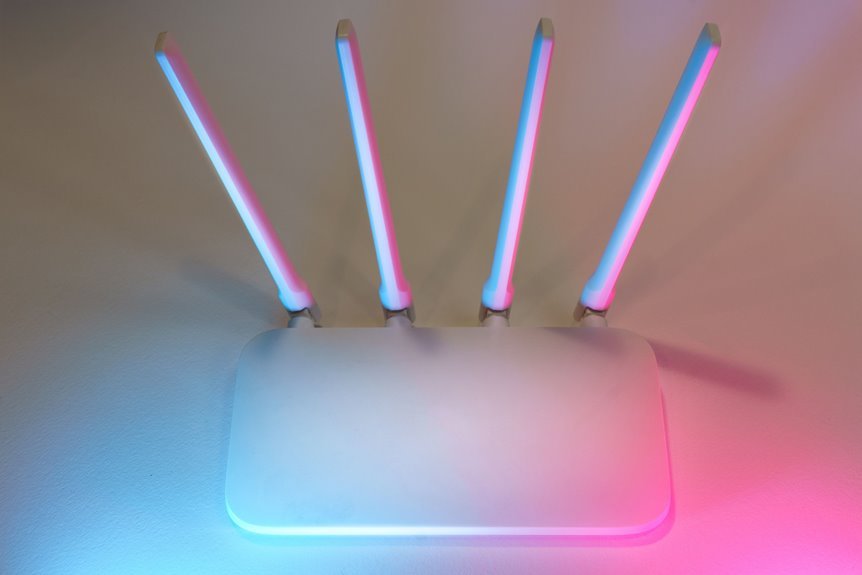
The 168.25.1.8090 router admin panel refers to the web interface used to configure and manage a specific router device. It functions as a centralized control point for settings, monitoring, and updates. This interface clarifies roles and permissions, reducing uncertainty. Two word discussion ideas: router myths, admin access. Effective use supports informed, autonomous network management and freedom from external constraints.
How to Safely Reach the Login Page and Identify the Correct IP
To reach the login page safely, users should verify network connectivity and access the administrator URL over a trusted, private network. The correct IP should be confirmed through DNS resolution and, when feasible, corroborated by device documentation.
Ensure firmware updates are current, as security posture improves. Avoid ambiguous addresses; rely on recorded network mappings to prevent misdirection or unauthorized access.
Step-by-Step Login and Initial Configuration Basics
Access begins with locating the login interface and authenticating with appropriate admin credentials; this process should be conducted on a trusted network to minimize exposure.
The user then navigates to the administration panel, submits credentials, and gains access.
Initial configuration proceeds with selecting a secure admin password, updating firmware, and configuring basic services.
Be mindful of unrelated topic and irrelevant concerns during setup.
Troubleshooting Access, Security Tips, and Best Practices for Ongoing Use
Troubleshooting access and maintaining security on router admin panels requires a structured, methodical approach: identify the symptom, verify credentials, and rule out common connectivity or configuration issues before escalating to firmware checks or reset procedures.
Ongoing security hinges on timely firmware updates, robust password policies, and disciplined adherence to access controls to mitigate security vulnerabilities while preserving user autonomy.
Frequently Asked Questions
Can I Change the Default Admin Username on This Panel?
The user cannot change the default admin username in this panel; only the password is typically modifiable. For security, implement change password securely and follow security tips, including strong authentication practices and routine credential reviews to maintain system integrity.
How Do I Reset the Router to Factory Settings?
A reset procedure requires locating the reset button, holding it with a pin for ten seconds, and awaiting reboots. The factory reset restores default settings, erasing custom configurations. Unrelated topic and irrelevant discussion must be avoided during this process.
Is There a Mobile App for Admin Access?
The answer: Yes, a mobile companion app exists for admin access. It requires appropriate app permissions, enabling remote monitoring and configuration while preserving user autonomy and freedom within secure, routine management workflows.
What to Do if the Login Page Times Out?
If the login page times out, the administrator should refresh, clear browser cache, and attempt a direct, wired connection; verify power, reboot the router, and assess outdated firmware for stabilizing performance and guest network security.
How to Export or Backup Current Router Settings?
The user can export settings by navigating to the router’s administration panel, selecting backup router options, and saving the configuration file locally. This method ensures a precise, portable restore; regular backups protect network freedom and continuity.
Conclusion
The guide presents a precise, methodical approach to accessing the 168.25.1.8090 router admin panel and establishing a secure baseline configuration. Following verified steps—confirming connectivity, using a trusted URL, authenticating with robust credentials, and applying firmware updates—ensures a fortified interface. In this process, the router becomes a well-tended instrument, like a disciplined orchestra tuning before performance, where each security measure harmonizes to sustain reliable, autonomous network management over time.