BySonu
168.1.159 Router Login and Setup Guide
Access to the 168.1.159 router begins with the login page and proper admin credentials. The guide outlines secure setup steps, from disabling WPS to enabling stronger WPA3 where available, and advises firmware updates and prudent DNS choices. It also covers device identification, IP verification, and monitoring LED indicators, all while documenting changes for accountability. A clear, methodical approach is emphasized, but practical implications and next steps await those who proceed.
How to Log In to the 168.1.159 Router
To log in to the 168.1.159 router, open a web browser and enter http://168.1.159 or https://168.1.159 in the address bar.
The process remains straightforward: access credentials, then review options.
Users focus on disabling WPS and changing DNS, ensuring basic control without compromising functionality.
The page presents clear, organized steps for secure, autonomous configuration.
Secure Your Network: Essential 168.1.159 Settings
After logging into the 168.1.159 router, users should shift focus to securing the network by configuring key settings. The guide emphasizes privacy concerns and prudent firewall configuration, ensuring only trusted traffic flows. Set strong admin passwords, enable WPA3 if available, disable WPS, and update firmware. Document changes for accountability, maintaining freedom through robust, streamlined security practices.
Quick Setup Flow: Connect Devices and Optimize Performance
With a focus on speed and reliability, the quick setup flow guides users to connect devices and optimize performance efficiently. The process emphasizes a streamlined sequence: identify devices, enable smart prioritization, and verify connections. Clear steps reduce complexity, ensuring freedom to tailor network use. two word discussion idea1, two word discussion idea2. This detached overview maintains focus and precision.
Troubleshooting and Common 168.1.159 Issues
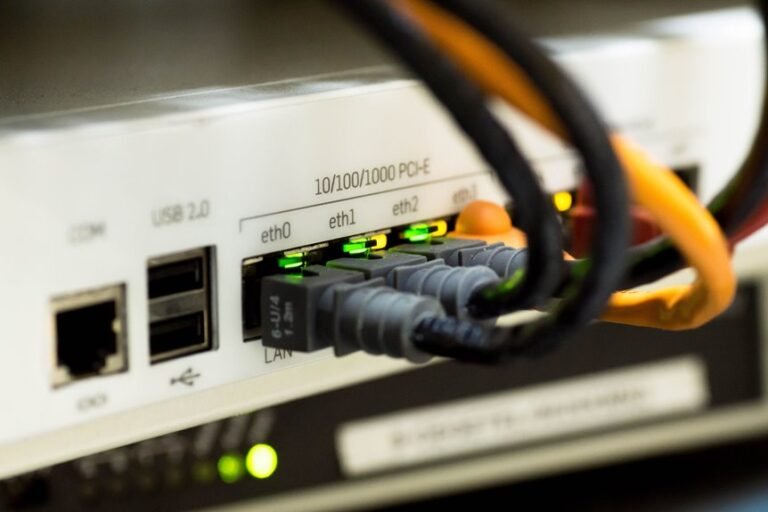
Common connectivity and configuration problems with 168.1.159 routers are addressed in a structured, methodical manner. Troubleshooting focuses on reproducible steps: verify physical connections, confirm IP addressing, and check LED indicators. If issues persist, consider disabling_firewall temporarily to test access, and updating_firmware to resolve bugs. Document findings, then re-enable protections and reconfigure once stability is confirmed.
Frequently Asked Questions
What Are the Default Login Credentials for 168.1.159 Routers?
The default credentials are not publicly standardized and vary by device; consult the router’s label or manual. For security, perform a firmware update after logging in with the correct credentials, then reconfigure settings. Credentials differ per model.
Can I Access the Router Admin Page From a Mobile Device?
Accessing the router admin page from a mobile device is possible. Mobile optimization enables streamlined use, and app-based control may exist. The device can connect via a web browser or a corresponding mobile app for management.
How Do I Reset the Router to Factory Settings?
The reset process involves holding the reset button until lights flash, then completing factory reset. After reboot, access the admin page to apply firmware updates and security patches, ensuring continued freedom and control over network settings.
Where Can I Find the Router’s Firmware Version?
The firmware version appears in the router’s status or system information page. Two word discussion ideas: firmware location; update frequency. This concise check helps users maintain control over hardware, with transparent, proactive management for empowered networking.
Is There a Guest Network Feature and How to Enable It?
A cypher-wrenecked pamphlet flickers in a steam-punk breeze: yes, there is a guest network feature. The guide outlines enabling steps, plus a guest network, feature comparison, and settings adjustments for security and ease of use.
Conclusion
The investigation confirms a core premise: strong network security hinges on deliberate configuration. By logging into the 168.1.159 router, disabling WPS, enabling WPA3 when possible, and keeping firmware updated, users markedly reduce exposure to threats. Regularly verify connected devices, monitor IPs, and adjust DNS for privacy. Clear documentation of every change fosters accountability and repeatability. In short, disciplined setup and ongoing maintenance yield a more reliable, safer home network.