BySonu
192168.15.1 Router Login and WiFi Configuration Guide
192168.15.1 represents a common gateway address used to access router settings. The guide outlines precise steps for logging in, updating credentials, and configuring wireless parameters with an emphasis on security. It provides a methodical troubleshooting flow, recommends firmware updates, and highlights ongoing maintenance. The discussion leaves open essential questions about optimal configurations and proactive safeguards, inviting readers to explore the practical procedures that ensure a stable and private home or small-office network.
What Is 192.168.15.1 and Why Access Matters
192.168.15.1 is a private IP address used as the default web gateway for certain routers. This address enables direct access to configuration interfaces, bypassing unnecessary steps. Understanding it clarifies networking myths and reveals practical limits of router hardware. Access matters for control, security, and performance, establishing a foundation for informed decisions about local networks and devices.
How to Log In: Exact Steps, Credentials, and Quick Fixes
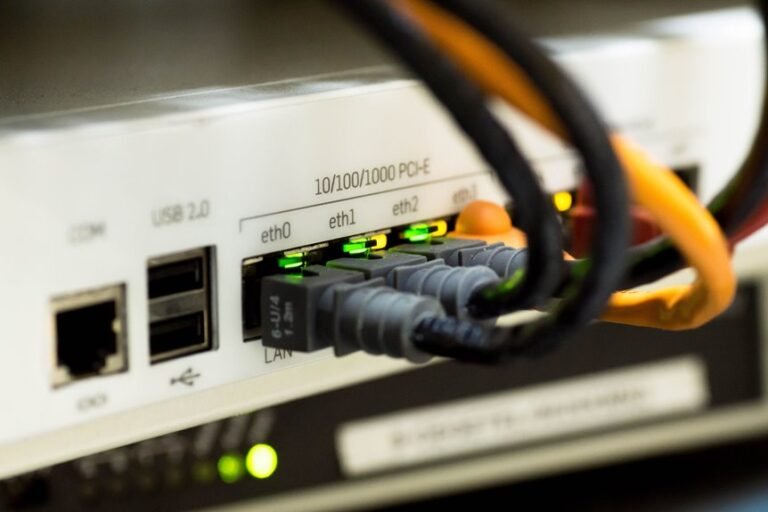
Accessing the router’s configuration page requires locating the gateway address, opening a web browser, and entering the correct IP. The steps are precise and standalone: supply default credentials if unchanged, then log in using verified user data.
Login tips emphasize device compatibility and immediate security disclaimer. If access fails, implement firmware update steps and verify browser compatibility.
Set up Your Wifi: Name, Password, and Security Essentials
To set up the WiFi network, the user should access the router’s wireless settings page and define a unique network name (SSID) and a strong password.
The procedure covers setup wifi basics, choosing a memorable network name, implementing password management, enabling WPA2 or WPA3, and applying security basics.
Finalize with a discreet, resilient configuration that supports freedom and reliable access.
Troubleshooting and Next Steps for a Secure Network
Diagnosing network issues requires a methodical approach: identify symptoms, verify device connectivity, and isolate the fault to either the router, client devices, or the external link. Systematically apply firmware updates, review security settings, and monitor logs.
For a secure network, implement regular router maintenance, segment networks, and enforce strong access controls. Proactive adjustments preserve network security and reliable performance.
Frequently Asked Questions
Can I Access 192.168.15.1 From a Guest Network?
Yes, access depends on router settings; typically guests cannot access 192.168.15.1 without explicit permissions. Discussion idea one favors isolation; discussion idea two supports controlled access through guest networks and firewall rules to balance freedom and security.
Does 192.168.15.1 Support IPV6 Configuration?
Yes, it supports IPv6 configuration. The device enables IPv6 configuration with optional security features, and administrators should apply IPv6 security best practices while maintaining access. Configuration steps are precise, procedural, and suitable for users seeking freedom.
How Often Should I Change My Router’s Login Credentials?
Changing passwords should occur regularly, with a recommended Password resetfrequency of every 90 days. This protocol also advises firmware updates and Network segmentation for ongoing protection, while Changing passwords remains primary, ensuring security alongside routine administrative practices.
Can I Restore Factory Settings Without Losing Wifi Data?
Restoring factory settings normally resets firmware and removes custom data; wifi retention is not guaranteed. The device should back up configurations before proceeding, then perform a controlled reset, noting that restoring factory typically erases most personalized wifi data.
Is There a Mobile App for Managing 192.168.15.1 Router Settings?
A mobile app exists for managing 192.168.15.1 router settings, enabling remote configuration. It emphasizes mobile app troubleshooting and firmware update reminders, and provides precise, procedural steps. It empowers users seeking freedom to monitor, adjust, and maintain connectivity.
Conclusion
Access to 192.168.15.1 empowers users to tailor home or small-office networks with precision. Following the guide’s steps ensures proper login, secure Wi‑Fi setup, and proactive maintenance. When issues arise, a methodical troubleshooting flow restores reliability without guesswork. Consistent firmware updates and strong passwords are the backbone of resilience. In the end, network health stands as a fortress, steady and unyielding, weathering every digital storm.