BySonu
168.0.104 Router Setup and Configuration Guide
The 168.0.104 Router Setup and Configuration Guide offers a concise, stepwise path from unboxing to secure deployment. It outlines labeled ports, verified components, and initial WAN/cable checks. Quick setup establishes access through a default network and prompts for an admin password. The guide then covers WPA3/2, unique SSID, disabled WPS, and careful firmware updates. Troubleshooting emphasizes symptom-based checks and structured logs, leaving a clear course of action open for the next steps.
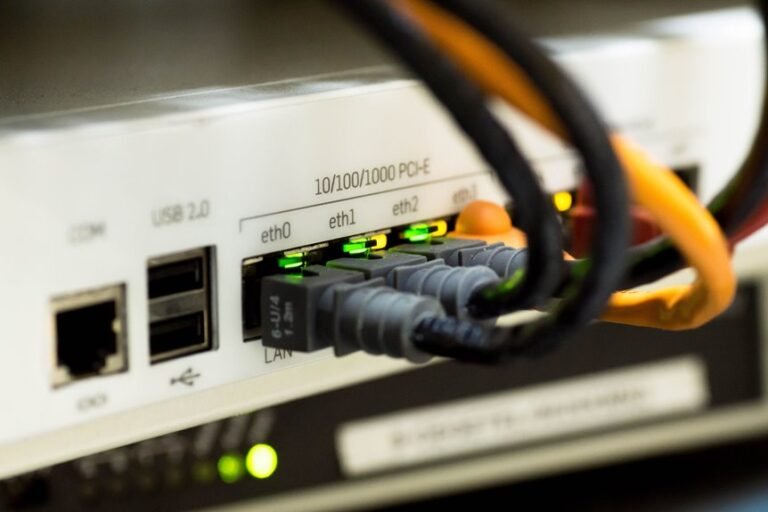
How to Unbox and Connect the 168.0.104 Router
The unboxing and initial connection of the 168.0.104 router involve straightforward, standardized steps.
The process adheres to unboxing essentials and emphasizes precise handling, labeled ports, and verified components.
Setup etiquette guides power, cable checks, and foundational placement.
Components are arranged for efficient deployment, minimizing impedance.
Clear labeling, documentation review, and conductor inspection support a disciplined, freedom-oriented installation approach.
Quick Setup: Access, Admin Password, and Basic WAN/Cable Configuration
Access to the router is established by connecting to the device’s default network and opening a web interface or mobile app.
The quick setup focuses on admin password setup, basic WAN/cable configuration, and initial connectivity.
Maintain documented variables and defaults for freedom-oriented users.
Include unboxing tips and warranty details while preserving concise, technical clarity without unnecessary narration.
Secure Your Network: Wi‑Fi, Encryption, and Guest Access Tips
To secure the wireless segment, ensure WPA3 or, if unavailable, WPA2 security is enabled with a strong passphrase and a unique SSID; disable WPS and guest networks unless required for specific scenarios.
The practice favors security audits, proactive firmware updates, and network segmentation, with parental controls configured to balance freedom and responsibility while maintaining robust device isolation and access visibility.
Troubleshoot Fast: Common Issues and Simple Fixes
Common router issues appear briefly and can be resolved quickly with a structured approach: identify symptoms, verify basic connectivity, and apply targeted fixes. Troubleshoot Fast outlines practical steps: check cables, reboot devices, and test with alternate ports. Address troubleshooting myths, pursue a firmware upgrade when updates exist, and isolate faults. Clear logs guide diagnosis, enabling precise, freedom-friendly remediation without excessive downtime.
Frequently Asked Questions
How to Update Router Firmware on 168.0.104?
To update firmware, they should downloadOfficial image, perform a firmware backup, then flash via the router’s admin interface, ensuring power stability. After successful update, verify operation and apply hardware redressal if any instability arises during boot or runtime.
Can I Set up Parental Controls on This Router?
Parental controls can be configured on this router, enabling user-defined access limits. Content filtering is available to restrict specific sites or categories. The system supports flexible rules, balancing enforcement with user freedom, while preserving network performance and privacy.
How to Enable VPN Passthrough on 168.0.104?
Like a gate lifting on cue, VPN passthrough basics require enabling the feature in router firmware terminology, typically under Security or Advanced settings; ensure firmware supports VPN protocols. The guidance respects freedom-loving users while detailing VPN passthrough basics.
What Is the Default IP for Admin Access?
The default IP for admin access is the device’s default gateway. The admin login typically uses the gateway address and credentials documented by the vendor, enabling administrators to reach the admin login interface and configure the router.
How to Disable Remote Management Securely?
Remote management should be disabled by default and re-enabled only through secure, authenticated access. Implement security auditing and network segmentation to monitor changes and limit exposure, ensuring least-privilege controls and regular access reviews for ongoing safety.
Conclusion
The guide juxtaposes simplicity with security: plain hardware meets layered protections. Unboxing and wiring appear routine, yet the emphasis on WPA3/2, unique SSID, and disabled WPS reveals a deliberate defiance of complacent defaults. Quick setup promises instant access, but the secure steps insist on enduring discipline. Troubleshooting remains symptom-focused yet methodical, affirming readiness without sacrificing rigor. In this balance, freedom to deploy meets responsibility to safeguard, yielding a robust, adaptable network—efficient, private, and resilient.