BySonu
168.74 Router Setup and Login Guide
The 168.74 Router Setup and Login Guide offers a concise, technical roadmap for establishing network access in home or small-office environments. It covers essential steps: connecting a device to the router, logging in via the default gateway with initial credentials, and using the admin panel to secure the device, update firmware, and adjust wireless settings. Practical security measures are emphasized, alongside common troubleshooting tips, leaving key configuration decisions open for further exploration and implementation.
What Is the 168.74 Router and What You’Ll Need
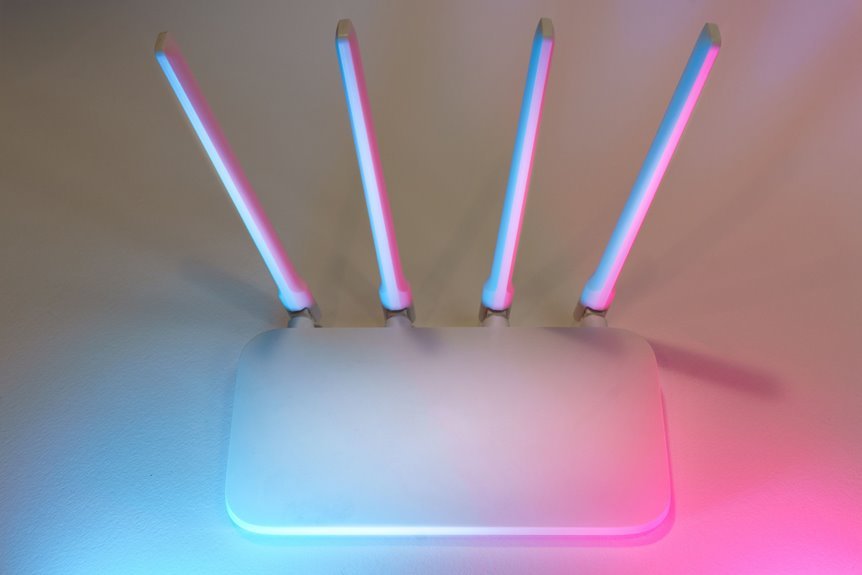
The 168.74 router is a network device designed to provide local connectivity and Internet access within a home or small office environment. What is it and what you’ll need appears as foundational context for setup. It supports standard router setup procedures, security basics, and device management. Stakeholders seek clarity, efficiency, and freedom through reliable configuration, documentation, and compatible hardware considerations.
How to Log In: Step-By-Step With Default Credentials and Basics
To log in to the 168.74 router, users should connect a device to the router’s network and open a web browser to the default gateway address. The process covers how to log in, leveraging default credentials for initial access.
Basics include password changes, how to access admin panel, device compatibility checks, and firmware basics for stable operation.
Quick Security and Wi‑Fi Optimization You Can Do Today
Quick security and Wi‑Fi optimization can be executed immediately by users to reduce exposure and improve performance.
The guidance emphasizes precise configuration—update firmware, enable WPA3, disable WPS, and restrict remote management.
Apply strong passphrases, set unique SSIDs, and segment guest networks.
These steps yield security improvements and support fast wifi optimization without disruptive changes to essential connectivity.
Troubleshooting Common Login and Connectivity Issues
Common login and connectivity issues with 168.74 routers typically stem from misconfigurations, outdated firmware, or hardware faults. Troubleshooting login involves verifying credentials, checking admin access, and inspecting device IP settings.
Connectivity issues require assessing WAN status, DNS resolution, and wireless channel interference. System logs, factory resets, and firmware updates should be executed with caution to preserve configuration integrity.
Frequently Asked Questions
Can I Change the Router’s Default IP Address?
Yes, he can change the default IP. To proceed, the device requires a reset without losing configurations, followed by manual network settings adjustment; caution is advised, ensuring security implications are reviewed while preserving existing firewall and port mappings.
How Do I Reset the Router Without Losing Configurations?
The procedure preserves configurations by issuing a soft reset or firmware-aware rollback, enabling disaster recovery workflows; it preserves system settings while restoring default states. Wireless security considerations remain intact, sustaining access policies and device integrity for freedom-seeking administrators.
What Parental Controls Options Are Available on This Router?
Parental controls: content filtering, schedule restrictions, guest networks: independent access, bandwidth limits. The router offers these options; it enforces rules via detailed configuration screens, ensuring precise control while maintaining user autonomy, like a measured, steady cockpit steering toward freedom.
How Can I Set up Guest Wi‑Fi Access?
Guest WiFi access can be established by configuring a separate guest network with isolation enabled, ensuring Guest WiFi isolation and Guest network security are enforced, while restricting access to local devices and applying bandwidth limits as needed.
Are There Firmware Update Recommendations for Security?
Like a sturdy shield, firmware security improves with prudent update recommendations. The report notes regular vendor updates, test before deployment, and routine router backups to mitigate risk; maintain verification of integrity, configuration snapshots, and rollback readiness.
Conclusion
The 168.74 router’s setup workflow demonstrates how routine access patterns can unexpectedly reveal resilience: a device’s initial login—the same sequence across models—often coincides with proactive security tweaks that persist beyond the session. In this precision-driven process, firmware updates, encryption choices, and WPS disablement align like synchronized gears, quietly fortifying the network. The coincidence of correct configuration and streamlined troubleshooting implies that disciplined, repeatable steps—not luck—underpin reliable connectivity and enduring protection.